

10 Communication Mistakes Destroying Pakistani Marriages — And How to Fix Them
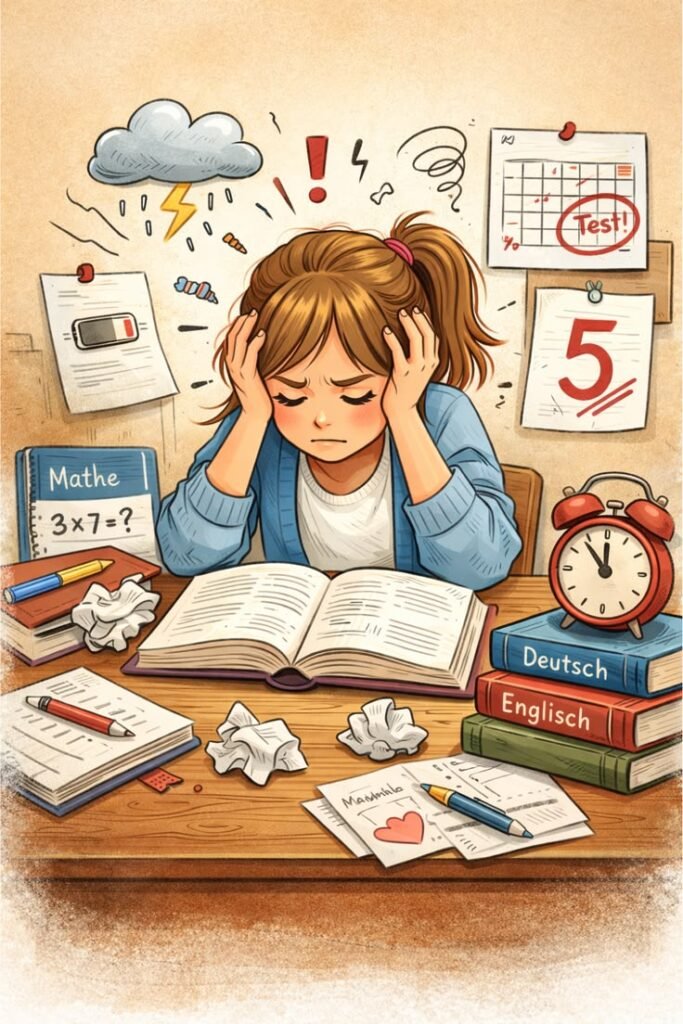
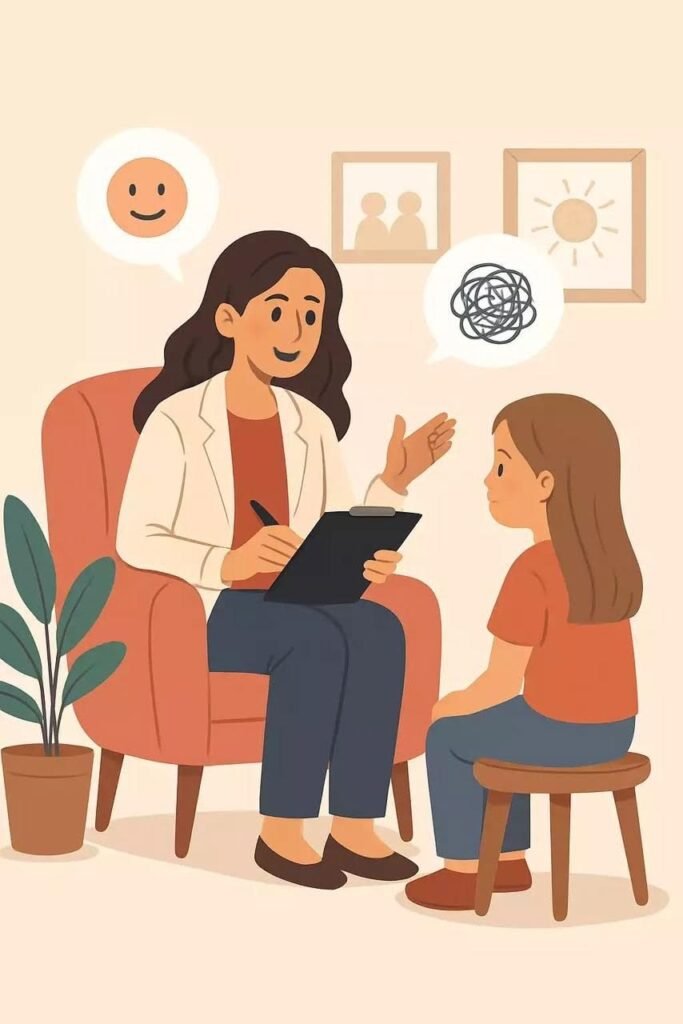
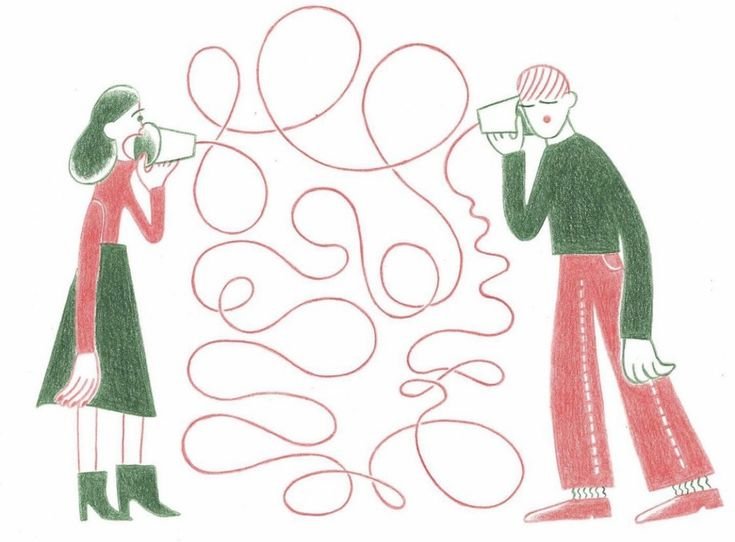
Marriage can become difficult when communication starts breaking down. Disagreements are a normal part of married life, but the way a couple handles those moments can affect emotional connection. A husband may feel misunderstood by his wife. His wife may feel that her concerns are not being heard. Small discussions can develop into arguments, and repeated arguments may create frustration. Long periods of silence can leave both partners feeling emotionally distant. Pakistani couples may experience additional pressure from family expectations, financial responsibilities, parenting decisions, and extended family involvement. These factors can affect the way spouses communicate with each other. Healthy communication is a skill that couples can develop. Better communication starts with recognizing harmful patterns and learning different ways to respond. The following 10 mistakes can quietly affect a marriage. Each one has a practical approach that couples can use in daily life. 1. Turning Every Conversation Into an Argument Some couples approach disagreements as competitions. Each person wants to prove that their position is correct. Common statements include: “I already told you this.” “You always do this.” “You never listen to me.” The original concern can become difficult to identify once both partners start defending themselves. A conversation that could have led to a solution may end with anger, frustration, or silence. How to fix it Focus on the purpose of the discussion. Ask yourself: “Do I want to prove that I am right, or do I want us to solve this?” A solution-focused conversation gives both partners an opportunity to explain their concerns. Understanding the problem becomes more important than proving the other person wrong. Think about the purpose of the discussion. Ask yourself: “Do I want to prove that I am right, or do I want us to solve this?” A solution-focused conversation allows both partners to explain their concerns. The goal becomes understanding the problem rather than defeating the other person. 2. Using “Always” and “Never” Words such as always and never can make a partner feel personally attacked. “You never help me.” “You always ignore me.” “You never care about my feelings.” Such statements describe the other person’s entire behavior. The listener may concentrate on defending their actions instead of understanding the concern. How to fix it Describe the specific situation that caused the frustration. Instead of: “You never spend time with me.” Try: “I felt lonely this week because we didn’t get enough time to talk.” The second statement communicates a feeling without attacking the person’s character. Your partner can understand what happened and why it affected you. 3. Bringing Up Every Past Mistake A disagreement about a current issue can quickly involve old problems. One partner may mention something that happened several years ago: “But what about what you did three years ago?” Past mistakes can carry strong emotions. Repeating those mistakes during every argument can make it difficult for a couple to focus on the issue in front of them. How to fix it An unresolved past problem deserves its own conversation. Old mistakes should not become weapons during new disagreements. Ask yourself: “Is this issue connected to the problem we are discussing right now?” A past event that has no connection to the current concern does not need to become part of the argument. 4. Giving the Silent Treatment Taking time to calm down can help during an intense disagreement. Ignoring a partner to punish them creates a different pattern. Some couples stop communicating after an argument. Hours can pass without a conversation. In some cases, the silence continues for days. Each person waits for the other to make the first move. The original issue remains unresolved. Resentment can build inside the relationship. Emotional distance may become stronger. How to fix it Tell your partner that you need time to calm down. You can say: “I’m too upset to discuss this properly right now. I need some time to calm down, and we can talk tonight.” This statement creates space without leaving the other person uncertain about the relationship. Both partners know that the conversation will continue at a calmer time. 5. Expecting Your Partner to Read Your Mind A spouse cannot automatically know every emotional need. Some people think: “If he really loved me, he would know.” Others may think: “She should understand without me explaining.” People have different expectations, personalities, and emotional needs. Love does not give one person the ability to know every thought of another person. How to fix it Express the need directly. You can say: “I need you to listen to me right now. I don’t need advice; I just want you to understand how I’m feeling.” Clear communication gives your partner specific information. It removes the pressure to guess what you need. 6. Involving Family in Every Marital Problem Family members can offer valuable support during difficult situations. Constant involvement in private disagreements can create additional problems. A disagreement between two spouses may become an issue involving parents, siblings, or in-laws. Personal details can reach several people. Different family members may develop their own opinions about the marriage. The couple may then find it harder to discuss the original problem privately. How to fix it Ordinary disagreements can often remain between the two spouses. Some situations require outside support. A neutral and trustworthy person can provide a different perspective. A professional counselor can offer a structured environment where both partners can speak openly. The person providing support should focus on understanding the situation rather than automatically taking one person’s side. Not every marital disagreement needs an audience. 7. Criticising Your Partner’s Personality There is an important difference between discussing behavior and attacking someone’s character. Consider these two statements: “You came home late without informing me.” “You are such an irresponsible person.” The first statement identifies a specific action. The second statement labels the person’s character. Character attacks can make a difficult conversation more painful. The partner may focus on defending their identity rather than discussing the behavior. How to fix it Focus on