


Introduction Taking the first step towards therapy can feel overwhelming, especially if you’ve never spoken with a mental health professional...

Racing or repetitive worry that's hard to switch off Trouble concentrating or constantly feeling "on edge" Expecting the worst, even when things are going fine Avoiding people, tasks, or places that trigger unease
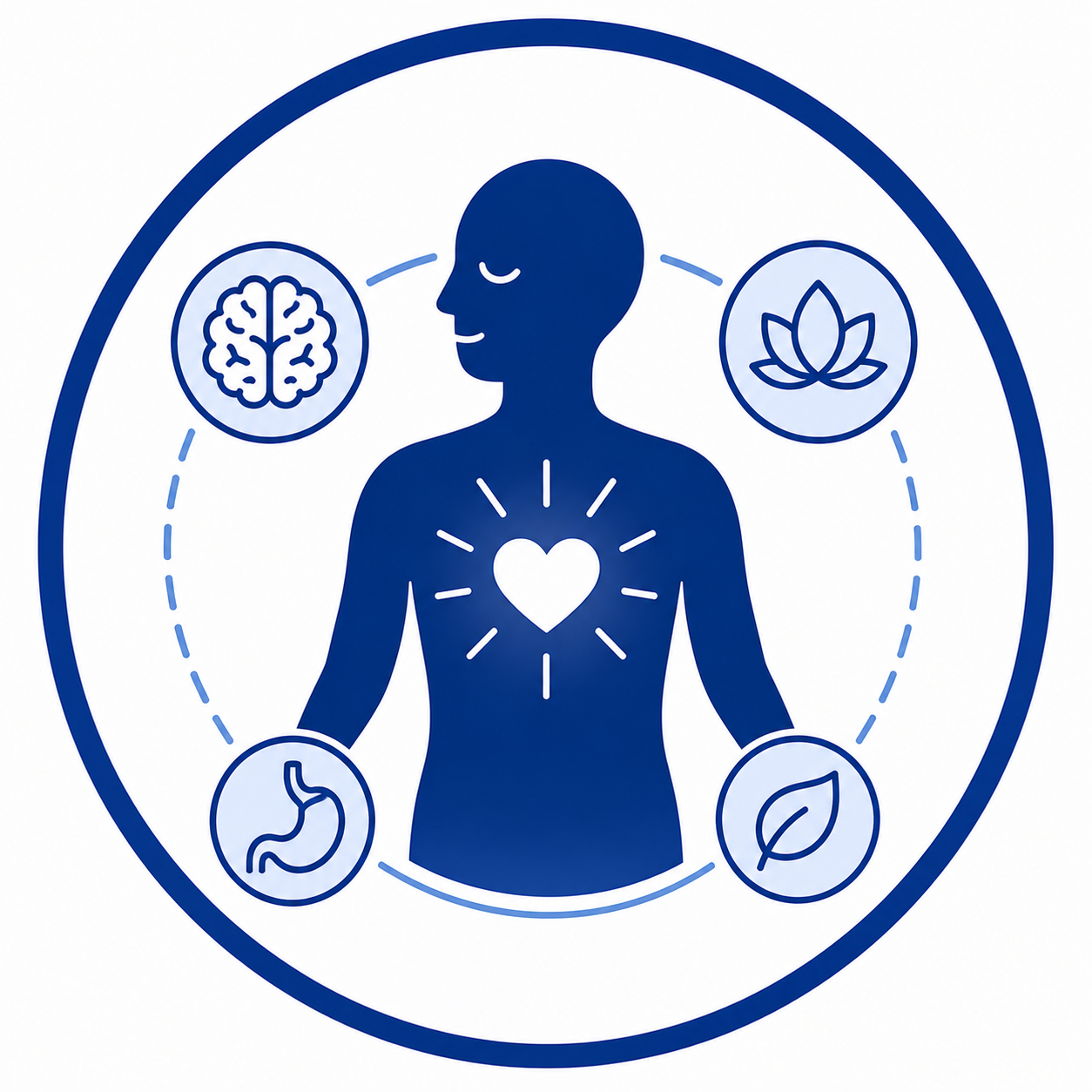
Tight chest, shallow breathing, or a racing heartbeat Trouble falling or staying asleep Muscle tension, headaches, or unexplained fatigue Stomach issues or appetite changes tied to stress
Racing or repetitive worry that's hard to switch off Trouble concentrating or constantly feeling "on edge" Expecting the worst, even when things are going fine Avoiding people, tasks, or places that trigger unease
Tight chest, shallow breathing, or a racing heartbeat Trouble falling or staying asleep Muscle tension, headaches, or unexplained fatigue Stomach issues or appetite changes tied to stress
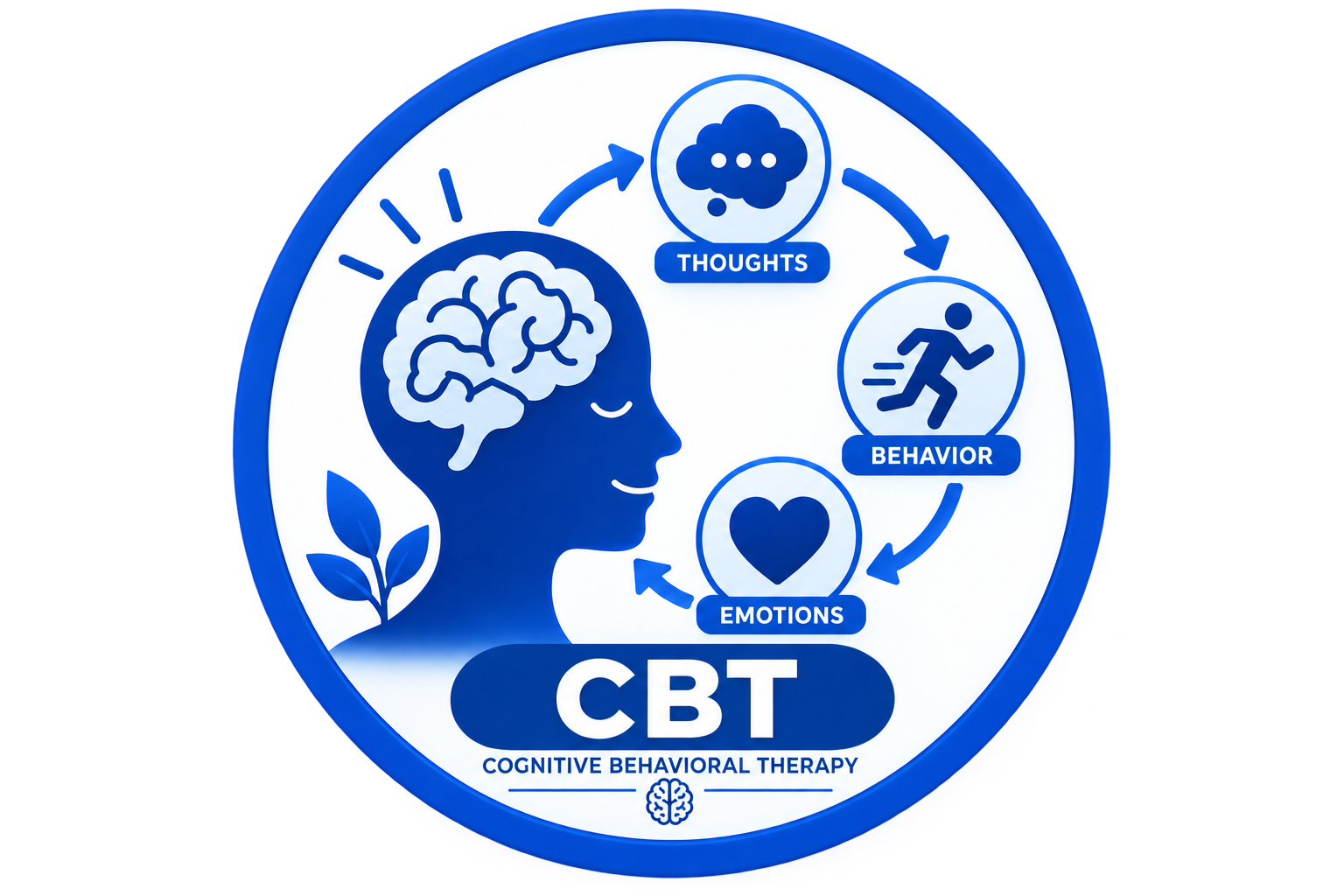
Identify the thought patterns that fuel anxiety and replace them with responses that actually hold up.
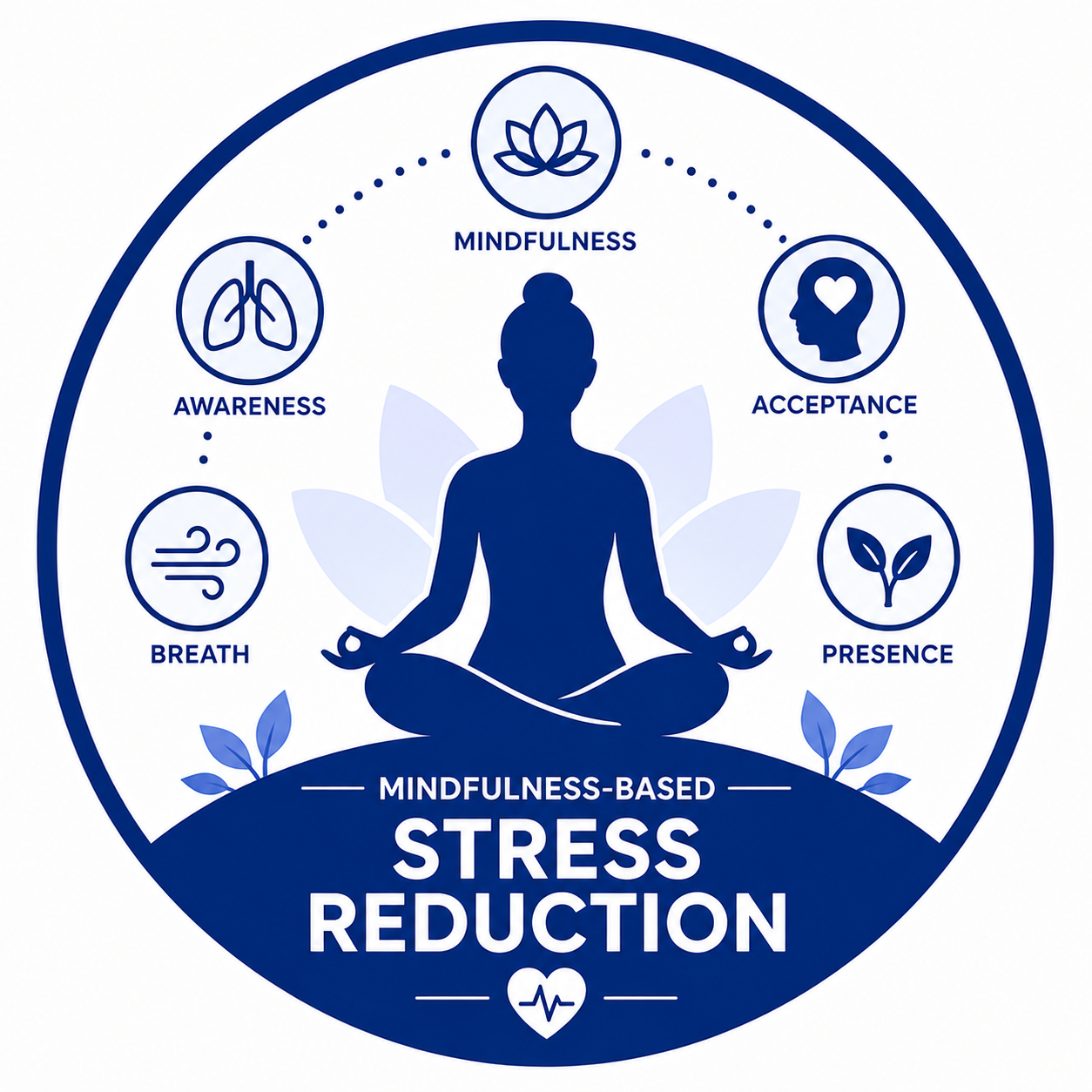
Practical grounding and attention techniques you can use in the middle of a stressful moment, not just in session.
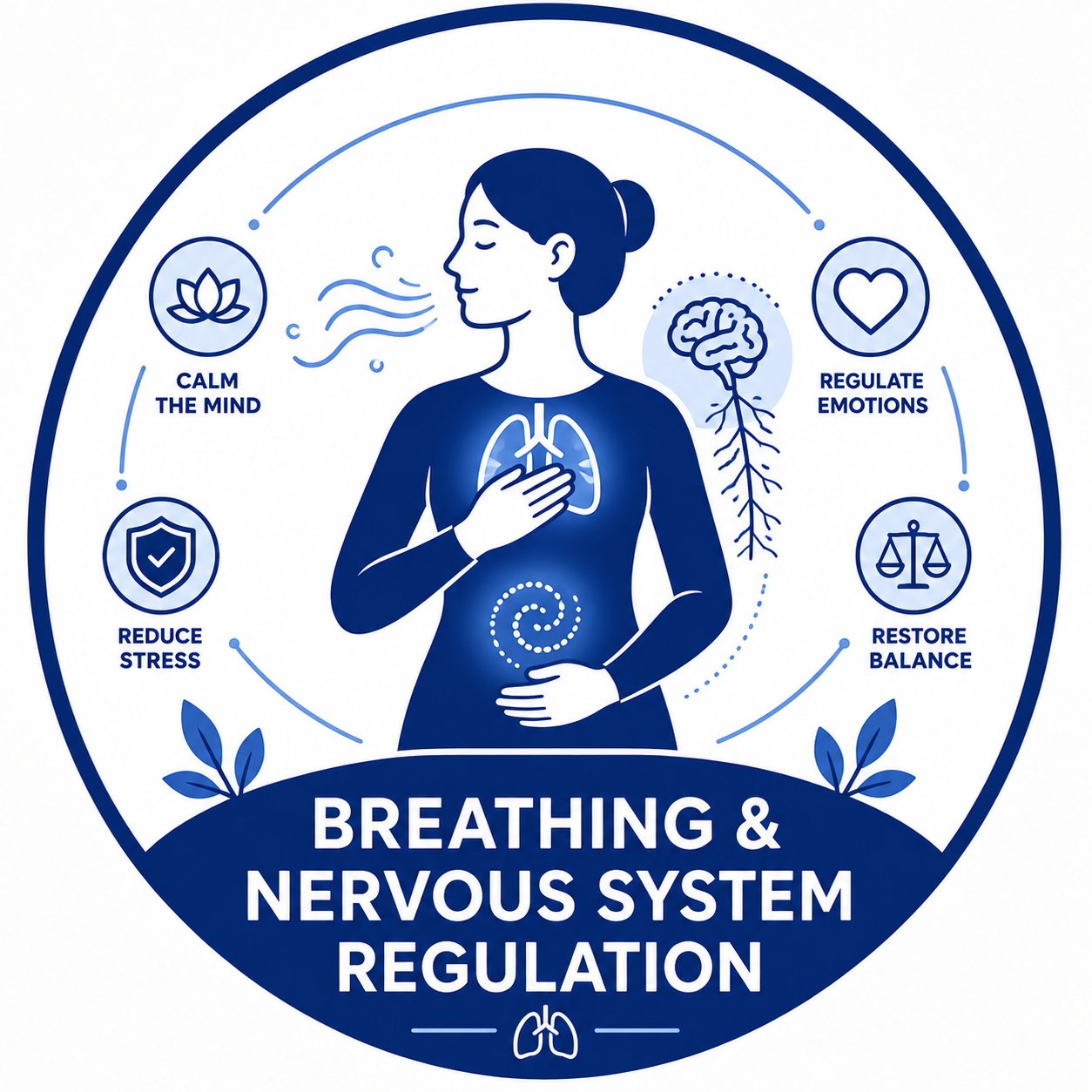
Simple, science-backed breathing patterns that calm your body's stress response within minutes.
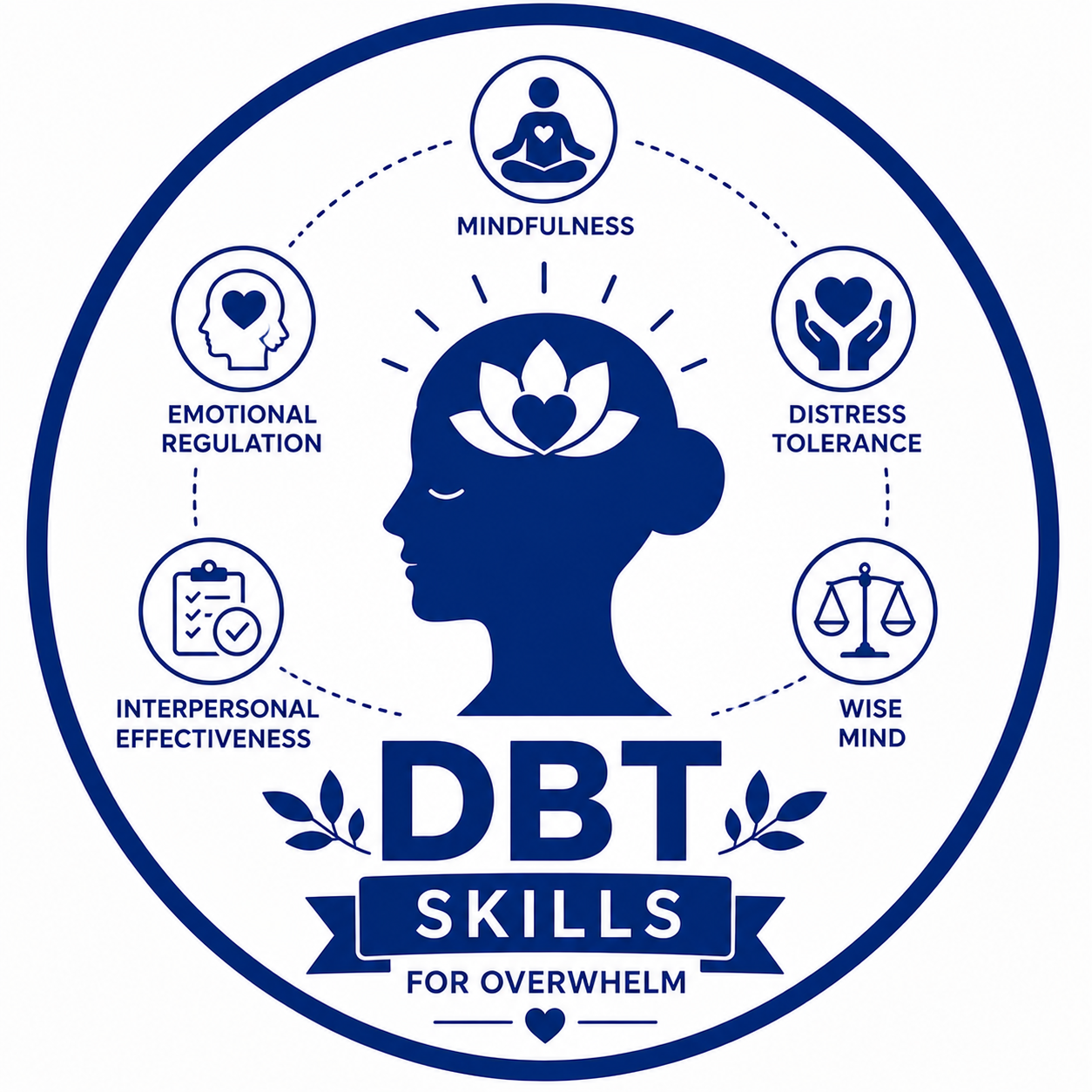
Distress-tolerance tools for the moments stress tips into panic or feels impossible to manage alone.
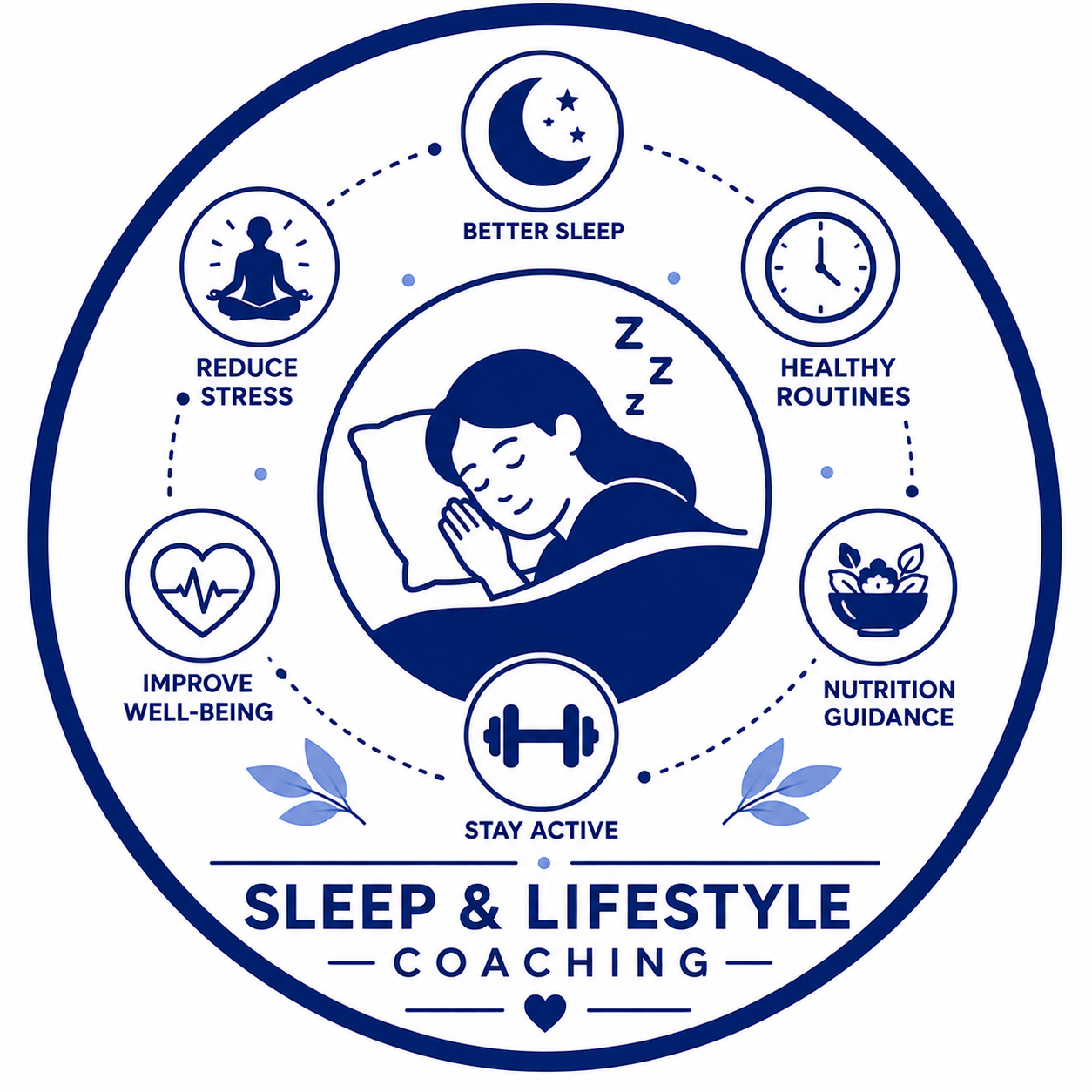
Because anxiety and poor sleep feed each other — we work on the routines that support real recovery.
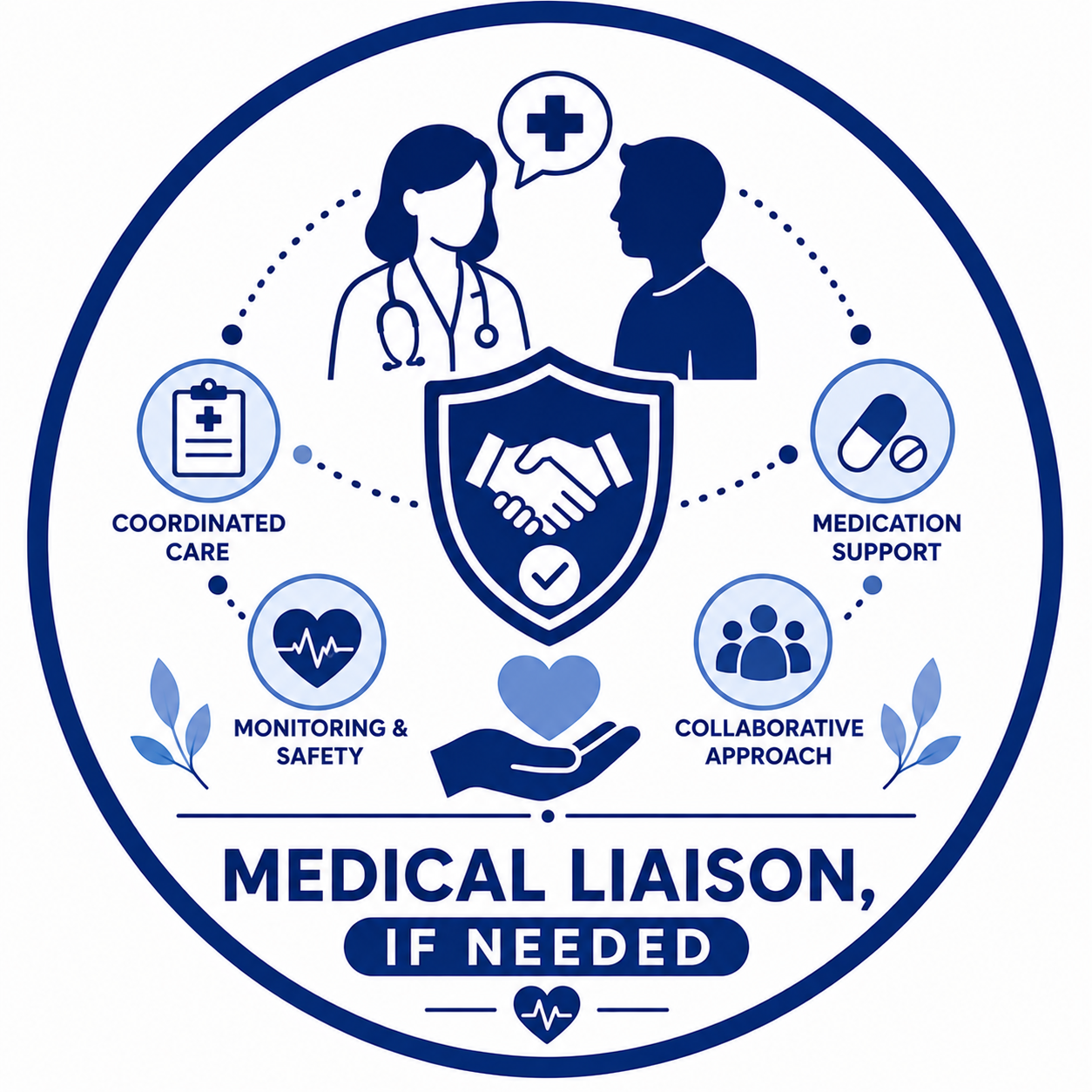
For moderate to severe cases, we coordinate with psychiatrists for medication support alongside therapy.
Identify the thought patterns that fuel anxiety and replace them with responses that actually hold up.
Practical grounding and attention techniques you can use in the middle of a stressful moment, not just in session.
Simple, science-backed breathing patterns that calm your body's stress response within minutes.
Distress-tolerance tools for the moments stress tips into panic or feels impossible to manage alone.
Because anxiety and poor sleep feed each other — we work on the routines that support real recovery.
For moderate to severe cases, we coordinate with psychiatrists for medication support alongside therapy.




Introduction Taking the first step towards therapy can feel overwhelming, especially if you’ve never spoken with a mental health professional...