

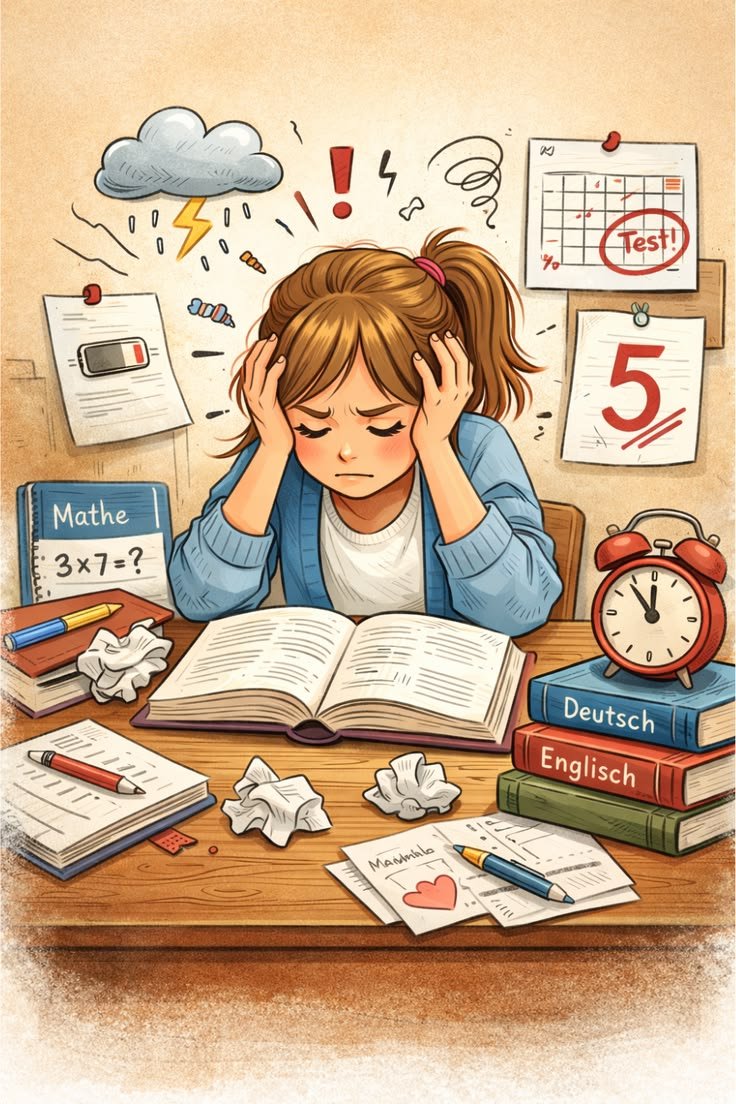
Anxiety can make normal situations feel difficult. A simple message may cause hours of overthinking. An upcoming exam can bring a racing heart. Worry may continue even when nothing dangerous is happening.
Medication is one option for anxiety treatment. Psychological therapy provides another form of support. Healthy habits can support emotional wellbeing. Practical coping skills may help manage everyday anxiety.
Severe anxiety needs professional attention. Persistent symptoms can affect sleep, work, studies, relationships, and daily activities.
These 12 approaches can help you understand different ways to manage anxiety without medication.
1. Try Cognitive Behavioural Therapy (CBT)
Cognitive Behavioural Therapy is a widely used treatment for anxiety.
The therapy focuses on thoughts, feelings, and behaviours. An anxious thought can feel completely true during a stressful moment. CBT teaches people to examine those thoughts. Unhelpful beliefs can be replaced with more realistic ways of thinking.
Consider this thought:
“Everyone will judge me if I make a mistake.”
A balanced thought could be:
“Making a mistake does not mean everyone will judge or reject me.”
Therapy can teach practical skills for handling anxious thoughts. Sessions can take place in person. Online therapy is another option. Guided self-help may be suitable in some situations.
2. Learn Slow, Calming Breathing
Anxiety can activate the body’s stress response.
Rapid breathing may occur during an anxious moment. A racing heart can accompany the feeling. Sweating and muscle tension are other possible physical symptoms.
Slow breathing can bring attention back to the present moment. Find a comfortable position. Relax your shoulders. Breathe slowly and steadily.
Fast, shallow breaths may increase physical discomfort. Controlled breathing can create a calmer breathing pattern.
Breathing exercises are commonly used as a practical strategy for anxiety management.
3. Challenge Your Anxious Thoughts
Anxiety can make uncertain situations seem certain.
A person may send a message and receive no response. The mind might immediately produce this thought:
“I haven’t received a reply, so something must be wrong.”
Pause before accepting the thought as a fact.
Ask yourself:
- What evidence supports this thought?
- What evidence does not support it?
- Could another explanation exist?
- Am I expecting the worst outcome?
Realistic thinking does not mean pretending that problems do not exist. The aim is to examine different possibilities.
CBT uses similar techniques to identify and reframe unhelpful thoughts.
4. Set Aside “Worry Time”
Worry can occupy a large part of the day.
A fixed period can give those concerns a specific place. Choose 10–15 minutes during the day or evening. Write down the worries that keep returning.
Look at each concern during this period. Identify problems that require action. Mark concerns that are outside your control.
A new worry may appear while you are studying or working.
Tell yourself:
“I’ll think about this during my worry time.”
Write the thought down and return to your current activity.
A defined worry period can prevent anxious thoughts from taking over every part of the day.
5. Don't Avoid Everything That Makes You Anxious
Avoidance can provide immediate relief.
Public speaking is a common example. Someone who fears presentations may avoid speaking in front of others. The immediate fear decreases. Future presentations may feel even harder.
Gradual exposure is used in several psychological treatments for anxiety. A feared situation can be approached in small steps. The level of difficulty can increase as confidence develops.
Start with a manageable situation. Give yourself time to adjust. Larger challenges can be addressed when smaller steps become easier.
The goal is gradual progress rather than forcing yourself into an overwhelming situation.
6. Exercise Regularly
Physical activity can support mental wellbeing.
Walking is a simple form of movement. Cycling, swimming, running, and other activities can provide more options. Regular exercise may help reduce stress and anxiety. Sleep can improve for some people as well.
An intense workout is not required. A short daily walk can be a useful starting point.
Choose an activity that fits your routine. Regular movement is easier to maintain when it feels realistic.
Physical activity can become one part of a broader anxiety management routine.
7. Prioritise Your Sleep
Poor sleep can make stress harder to handle.
A restless night may leave you tired the next day. Low energy can make ordinary problems feel more difficult. Night-time worry may increase when the body is already exhausted.
A regular sleep schedule can support better rest. Keep a similar bedtime and wake-up time each day. Reduce stimulating activities before bed.
A quiet nighttime routine can help prepare the body for sleep. Comfortable surroundings may make resting easier.
Adequate sleep supports emotional and physical health.
8. Reduce Excessive Caffeine
Caffeine increases alertness.
Coffee, tea, energy drinks, and other caffeinated products can stimulate the nervous system. Large amounts may increase restlessness in some people. Anxiety symptoms can feel stronger after high caffeine intake.
Sleep can become difficult when caffeine is consumed late in the day.
Complete avoidance is not necessary for everyone. Individual responses to caffeine can differ.
Notice what happens after drinking coffee or tea. Pay attention to anxiety, restlessness, heart rate, and sleep.
Reducing excessive caffeine may help some people manage anxiety symptoms.
9. Practise Mindfulness
Mindfulness means paying attention to the present moment.
An anxious mind may focus on future problems. Past events may receive repeated attention. Mindfulness brings awareness back to current experiences.
Spend a few minutes noticing:
- Your breathing
- Sounds around you
- Objects in your surroundings
- Physical sensations
- Thoughts as they appear
A thought can be noticed without immediate action. Physical sensations can be observed without judgment.
Short mindfulness exercises can be practised during the day. Meditation provides another way to practise present-moment awareness.
Mindfulness-based techniques are included in some psychological treatments for anxiety.
10. Stay Connected With People You Trust
Anxiety can lead to social withdrawal.
A trusted person can provide emotional support. Talking about difficult feelings may reduce the sense of carrying everything alone.
Advice is not always necessary.
You can say:
“I’m feeling really overwhelmed today. Can you just listen?”
A supportive listener can provide comfort during stressful periods. Family members and close friends may offer useful emotional support.
Ongoing anxiety may require professional care. A psychologist can provide structured support when symptoms begin affecting everyday life.
11. Keep a Simple Anxiety Journal
Recurring anxiety can make triggers difficult to identify.
A simple journal can record four parts of an experience:
Situation → Thought → Feeling → Reaction
For example:
Situation: I had to speak in class.
Thought: “Everyone will laugh at me.”
Feeling: Fear.
Reaction: I avoided speaking.
Several entries may reveal repeated patterns. Similar situations may produce similar thoughts. Avoidance may appear as a repeated reaction.
Written notes can make anxiety triggers easier to recognise. The information can be discussed with a psychologist during therapy.
Tracking thoughts, feelings, and behaviours is consistent with techniques used in CBT.
12. Seek Professional Psychological Support
Professional psychotherapy is an important non-medication approach for anxiety.
A psychologist can explore the thoughts, emotions, behaviours, and situations connected to anxiety. Therapy can teach structured coping techniques. CBT is widely used for several anxiety disorders.
Online counseling in Pakistan can provide access to psychological support from home. Travelling to a clinic may not be convenient for everyone. Online sessions may feel more comfortable for some people.
Professional assessment becomes important when anxiety continues for a long period. Sleep problems may develop. Work or studies can become difficult. Relationships may suffer. Everyday responsibilities can become harder to manage.
A qualified psychologist can assess your concerns. Treatment options can be discussed according to your symptoms and needs.
Medication may be appropriate for some people. A psychiatrist or qualified healthcare professional can assess whether medication is suitable.
Seeking psychological support does not require a person to diagnose themselves. Professional guidance can help identify an appropriate form of care
Can Anxiety Be Managed Without Medication?
Some people manage anxiety without medication. Psychotherapy can help with anxious thoughts, emotions, and behaviours. Lifestyle changes may support emotional wellbeing and daily functioning.
The type of anxiety can affect treatment needs. Symptom severity is another important factor. Sleep, work, studies, relationships, physical health, and personal circumstances can influence treatment decisions.
Medication may be appropriate for certain people. Some individuals may benefit from psychological therapy without medication. Others may need medication as part of their treatment.
A qualified mental health professional can assess the symptoms and discuss suitable options.
Professional support becomes important when anxiety affects sleep, studies, work, relationships, or everyday activities. Persistent symptoms may require a detailed assessment when self-help methods do not provide enough relief.
A psychologist can explore the concerns during an assessment. The discussion may include symptoms, daily difficulties, personal circumstances, and treatment goals. The resulting treatment plan depends on individual needs
Final Thoughts
Telling yourself to “stop worrying” does not always reduce anxiety. An anxious mind may need more than simple reassurance.
Understanding anxious thoughts can make them easier to recognise. Learning different responses can change the way difficult situations are handled.
Small changes can become useful daily habits. A short walk can provide physical movement. One anxious thought can be examined instead of accepted as fact. Slow breathing can help during moments of physical tension. A regular sleep routine can support better rest. Conversation with a trusted person can provide emotional support.
Professional guidance may be needed when anxiety continues to interfere with daily life. A psychologist can provide structured support and therapeutic techniques.
Managing anxiety does not mean never feeling anxious. Anxiety is a normal human emotion that can become difficult when it starts controlling daily activities.
The goal is not to eliminate every anxious feeling. The goal is to develop healthier ways to respond to anxiety