

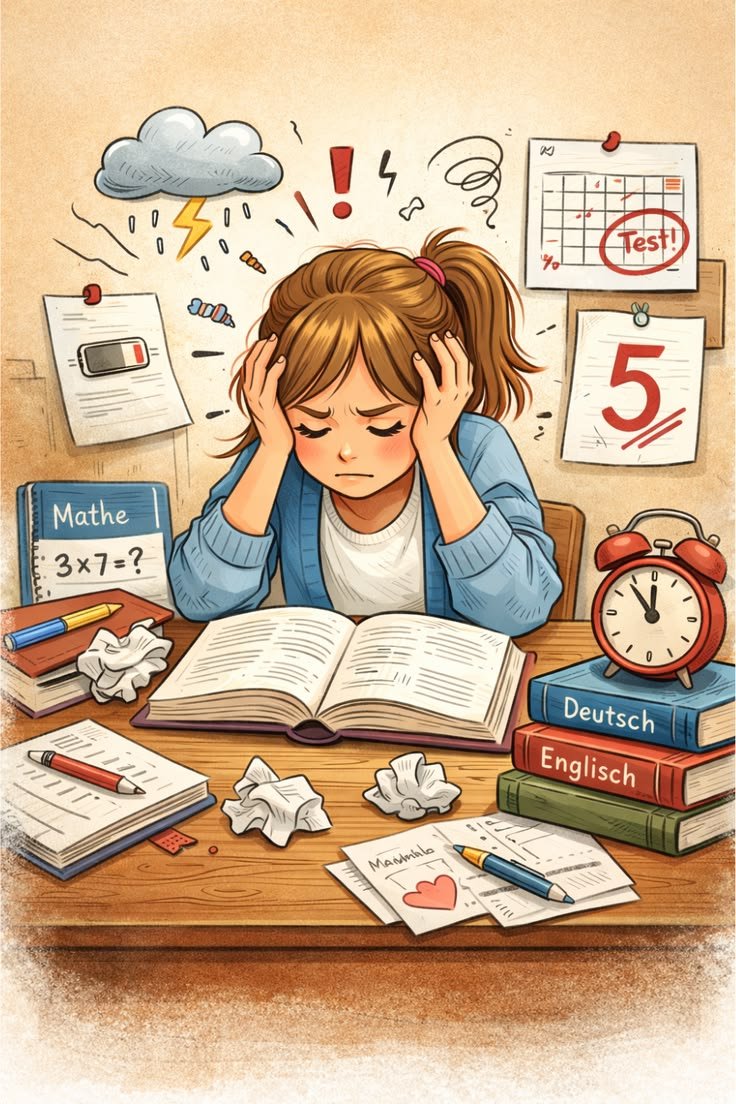
Depression can affect almost every part of daily life. Work may become difficult. Studies can feel exhausting. Personal relationships may change. Simple responsibilities can require unusual effort.
Many people in Pakistan still misunderstand depression. A person may hear comments such as, “Stay positive,” “You have everything,” or “Everyone has problems.” Such statements can make emotional pain harder to discuss.
Depression is not a sign of weakness. It is not a lack of gratitude. Emotional distress can become serious enough to affect sleep, appetite, concentration, motivation, and everyday functioning.
Professional support can help many people manage depression. Recovery may take time, but improvement is possible.
This guide explains practical steps for people looking for ways to manage depression in Pakistan.
What Does Depression Actually Feel Like?
Depression does not look the same for everyone.
One person may spend most of the day feeling sad. Another may feel emotionally empty. Someone else might become unusually irritated or disconnected from other people.
Daily activities can lose their appeal. Meeting friends may feel tiring. University assignments may seem impossible to start. Work responsibilities can become overwhelming.
Common symptoms include:
- Persistent sadness
- Loss of interest in normal activities
- Low energy
- Constant tiredness
- Changes in sleeping patterns
- Changes in appetite
- Difficulty concentrating
- Feelings of guilt
- Feelings of worthlessness
- Irritability
- Emotional numbness
- Social withdrawal
- Feelings of hopelessness
Experiencing one symptom does not automatically mean that someone has clinical depression.
A qualified mental health professional can assess the symptoms and understand their severity.
Step 1: Stop Blaming Yourself
Self-blame can make emotional struggles heavier.
People experiencing depression may think:
“I should be stronger.”
“I should be able to control this.”
“Other people have bigger problems.”
“My life is not difficult enough to feel this way.”
These thoughts can create shame.
Mental health difficulties are not measured by how serious someone else’s problems appear. Personal pain deserves attention even when life looks comfortable from the outside.
A healthier question is:
“What is happening to me, and what support could help?”
Understanding your condition can be more useful than judging yourself.
Step 2: Don't Isolate Yourself Completely
Isolation can become tempting during depression.
Messages may remain unanswered. Phone calls can feel irritating. Social gatherings may seem exhausting. Staying in bed can appear easier than talking to anyone.
Complete isolation can increase loneliness.
One trusted person can make a difference. A short conversation may be enough. Sitting with a family member can provide some human connection. A simple walk with a friend may feel easier than a long social gathering.
Not everyone has a supportive family environment.
A trusted friend, teacher, counselor, psychologist, or another responsible adult can become a source of support.
You do not need to explain everything at once.
A simple sentence such as “I have not been feeling well emotionally and I need someone to talk to” can open the conversation.
Step 3: Create a Basic Daily Routine
Depression can disturb normal routines.
Getting out of bed may become difficult. Meals can become irregular. Sleep may shift to very late hours. Personal care may receive less attention.
A complicated schedule is not necessary.
Start with a few basic activities.
Wake up around the same time each day. Take a shower. Eat a proper meal. Spend a few minutes outside. Complete one manageable task. Set a reasonable bedtime.
Small actions can provide structure.
A student does not need to study for six hours immediately. Twenty minutes of focused work can be a realistic starting point.
Someone struggling at work can choose one important task instead of trying to finish everything in one sitting.
Progress can begin with manageable goals.
Step 4: Take Care of Your Physical Health
Physical health can influence emotional wellbeing.
Sleep deserves attention during depression. Irregular sleep can leave the body tired and the mind less focused.
Food intake matters as well. Skipping meals may reduce energy. Excessive caffeine can affect sleep and anxiety levels in some people.
Movement is another useful part of self-care.
A short walk may be enough at first. Stretching can be another option. Outdoor activity can provide a change of environment.
Useful habits include:
- Maintain a regular sleep schedule.
- Eat balanced meals.
- Drink enough water.
- Include light physical activity.
- Spend some time outdoors.
- Reduce excessive screen use before sleep.
- Keep caffeine intake under control.
These habits cannot replace professional treatment.
They can support overall wellbeing during recovery.
Step 5: Understand Your Negative Thoughts
Depression can change the way a person interprets everyday events.
A small mistake may feel like proof of failure.
One rejection can become evidence that nobody will ever accept you.
A difficult week can seem like proof that life will never improve.
Writing these thoughts down may help.
Look at the statement and ask:
“Is this a fact?”
Another useful question is:
“Would I say the same thing to someone I care about?”
A thought such as “I cannot do anything right” can be replaced with a more balanced statement:
“I am struggling at the moment, and I can work on one problem at a time.”
This approach is commonly explored in Cognitive Behavioral Therapy (CBT).
A psychologist can help identify unhealthy thought patterns and develop more balanced ways of thinking.
Step 6: Don't Try to Treat Depression Completely on Your Own
Self-care has an important role in mental wellbeing.
Some cases of depression require professional treatment.
A psychologist can assess emotional difficulties and provide therapy. A psychiatrist can evaluate mental health conditions from a medical perspective and prescribe medication when appropriate.
Treatment depends on the person’s symptoms and circumstances.
Some people benefit from psychological therapy. Others may require medical treatment. Certain cases may involve both.
Searching online for depression treatment in Pakistan can provide general information, but internet advice cannot replace a personal assessment.
People interested in depression treatment in Pakistan online should check the professional’s qualifications and experience before starting therapy.
Step 7: Choose the Right Professional
Finding mental health support can feel confusing.
Psychologists and psychiatrists have different professional roles.
A psychologist generally provides psychological assessment and therapy. A psychiatrist is a medical doctor who can diagnose mental health conditions and prescribe medication.
Counselors may provide support for certain emotional or life difficulties.
The appropriate professional depends on the person’s situation.
Ask about qualifications, experience, areas of specialization, session format, fees, and confidentiality before starting treatment.
Online sessions may be useful for people who cannot easily travel to a clinic.
Some individuals may feel more comfortable discussing personal concerns from home.
What If Your Family Doesn't Understand?
Family attitudes can affect a person’s willingness to seek help.
Someone with depression may hear:
“You have nothing to worry about.”
“Just think positively.”
“Everyone goes through difficult times.”
“You should be stronger.”
Such comments may come from misunderstanding rather than bad intentions.
Explaining depression can help when the family is willing to listen.
A simple statement may work:
“I am not asking you to solve everything. I need support while I get professional help.”
Family members may need time to understand mental health problems.
A person does not have to wait for complete family approval before seeking appropriate professional support.
A trusted friend or qualified mental health professional can provide another source of guidance.
Can You Recover From Depression?
Recovery is possible.
The process differs from one person to another.
Some people improve after therapy. Others require medication or a combination of treatment approaches. Lifestyle changes may support the recovery process.
Progress does not always happen at the same speed.
A difficult day does not mean that treatment has failed.
Temporary setbacks can happen during recovery.
Learning personal triggers can make future difficulties easier to recognise.
Healthy routines may become easier with practice.
Communication skills can improve through therapy.
A person may gradually regain interest in activities that once felt meaningless.
Recovery does not mean feeling happy every day.
The goal is to develop healthier ways of managing emotional difficulties and returning to meaningful daily life.
When Should You Seek Professional Help?
Professional support becomes important when symptoms begin interfering with daily functioning.
Pay attention when depression affects:
- Work
- Education
- Relationships
- Sleep
- Appetite
- Concentration
- Personal hygiene
- Daily responsibilities
- Emotional wellbeing
Persistent symptoms deserve attention.
Worsening symptoms should not be ignored.
Thoughts about self-harm or suicide require urgent support. A person experiencing such thoughts should tell someone they trust and seek immediate professional or emergency assistance.
Mental health emergencies need the same seriousness as physical emergencies.
Waiting for symptoms to become unbearable is not necessary.
Final Thoughts
Depression can make life feel extremely difficult.
The condition may affect thoughts, emotions, physical health, relationships, studies, and work.
Feeling stuck does not mean that change is impossible.
One conversation can become a starting point.
A simple routine can restore some structure.
Professional support can provide guidance.
Healthy habits can support the recovery process.
Small steps still count when energy is limited.
Anyone struggling with persistent depressive symptoms deserves support without shame.
Seeking help is not a sign of weakness.
Depression can be treated, and recovery is possible with the right support